










When one child in your family starts therapy, it's natural to focus all your energy on their healing journey. But what about their sibling sitting in the waiting room? Or the one asking why their brother or sister gets “special time” with a grown-up every week?
Supporting siblings of children in therapy is one of those parenting challenges no one really prepares you for. Yet it's incredibly important—because when one child's world shifts, the whole family feels it. Your other children are watching, wondering, and trying to make sense of changes they can’t quite understand. They may not say much—but their experience matters just as much.
Understanding What the Sibling Might Be Carrying
Let’s pause and consider what your child’s sibling might be experiencing right now.
From their perspective, their brother or sister is getting one-on-one time with a caring adult—maybe even playing games or doing fun activities.
Meanwhile, they’re left wondering: What’s wrong with me that I don’t get this kind of special attention?
This isn’t selfish thinking. It’s developmentally normal. Children naturally compare their experiences and sometimes feel left out when they don’t understand the bigger picture.
Some siblings even develop what we call “sibling therapy envy.” They see therapy as special time, and they want some too.
Others may feel something heavier—fear, worry, confusion. They might be wondering:
Is my sibling sick?
Are they going to be okay?
Could this happen to me too?
Younger children especially may not understand the difference between emotional and physical health, and it’s not uncommon for them to worry that something “contagious” is happening.
And then there are the kids who become hyper-attuned—watching their sibling closely for signs of distress or improvement. Some act out. Others withdraw. Some try to be the “easy” one, hoping not to add stress.
These reactions aren’t problems to fix—they’re important communication.
Your child’s sibling is telling you something about their experience. What they need most is for you to notice—and respond with the same compassion you’d offer any child having big feelings.
Talking with the Sibling in a Way That Connects
The most powerful way you can support a sibling during this time? Honest, age-appropriate conversations. Not a one-and-done “explanation,” but gentle, ongoing invitations to talk.
When they ask why their sibling goes to therapy, try to avoid brushing it off with something vague like “they just need help.”
Instead, you might say:
“That’s a great question. Therapy is a place where kids can talk about their feelings and learn new ways to handle big emotions. Just like some people wear glasses to help them see better, some people go to therapy to help them feel better.”
For younger children, simple analogies often work best:
“Remember when you had a cough and we went to the doctor? Sometimes people have big feelings that feel stuck, and a therapist is kind of like a feelings doctor who helps with that.”
Older kids can usually handle more depth:
“Everyone’s brain works differently, and sometimes people need extra support to understand their thoughts and emotions. It’s kind of like how some people are naturally good at math, and others might need a tutor—it doesn’t mean anything is wrong.”
More important than saying the “perfect” thing is letting them know the conversation is always open. You can create check-in moments that feel low-pressure:
“How are you feeling about your sibling’s appointments lately?”
“Is there anything you’ve been wondering about but haven’t asked?”
“Sometimes I wonder if you feel left out—if you ever do, will you let me know?”
The best conversations often happen during everyday tasks—folding laundry, driving to school, sitting side-by-side at bedtime.
What your child’s sibling needs is space to ask their questions, share their thoughts, and feel like their inner world matters too.
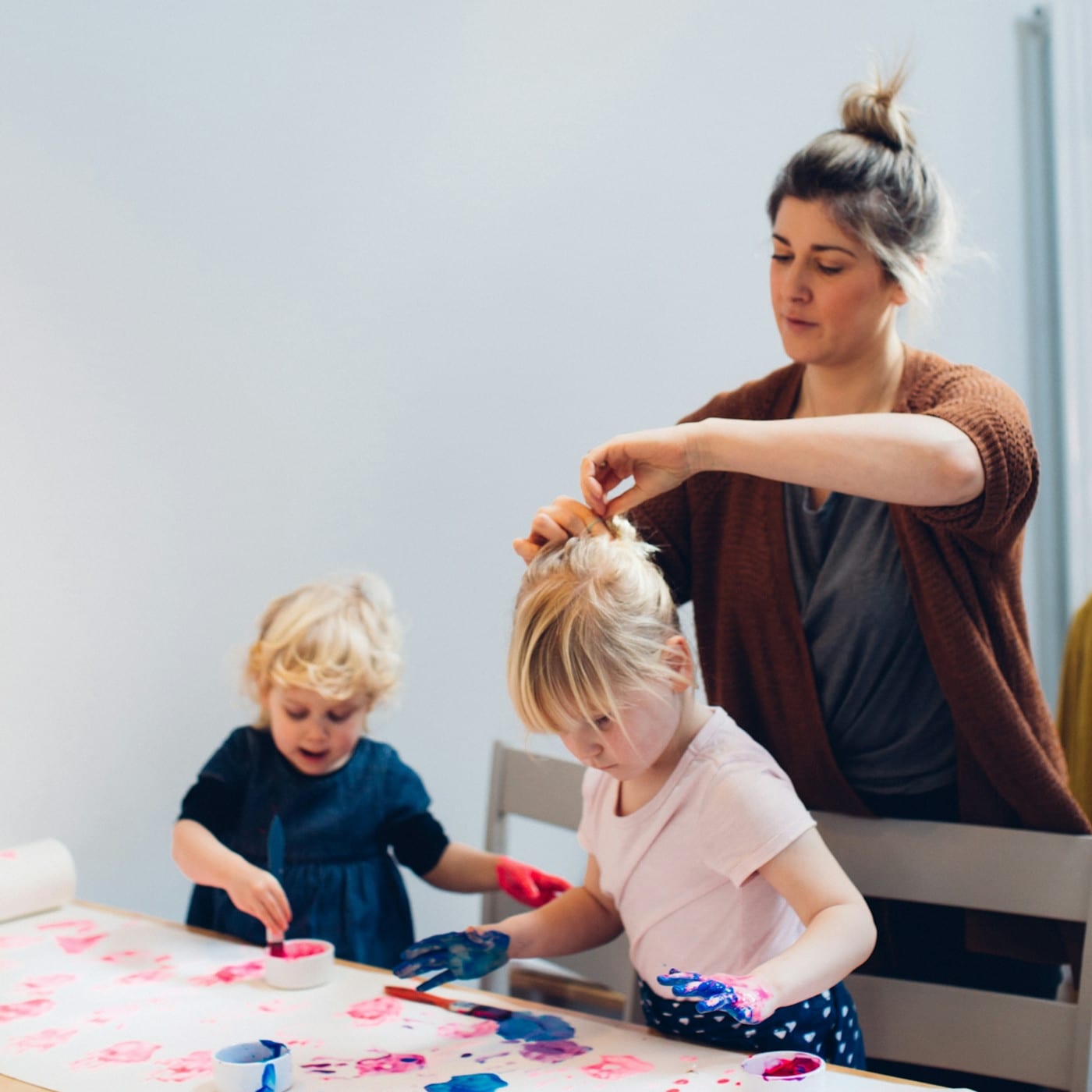
Creating Moments That Fill Their Cup
While your child is in therapy, their sibling needs to know: You see me too.
This doesn’t mean replicating therapy-level attention—but it does mean making space for connection that’s just for them. It’s easy to let this slip when life feels full, but even small rituals of connection can go a long way.
Try carving out a predictable time, even once a week, where the focus is on them.
That might be:
A walk around the block after dinner
A bedtime chat with no interruptions
A Saturday morning outing they help choose
Snuggling up to watch a favorite show together
It doesn’t have to be big. It just has to be theirs.
And during these moments, stay curious—not about their sibling’s therapy, but about them. Ask about their world. Their friends. Their favorite YouTuber. Their wild ideas for what animals should be allowed as pets.
Show them they’re valued for who they are—not just as the sibling of someone who needs support.
You might also look for small ways to help them feel included and important in the family:
Give them a “job” they’ll be proud of, like picking the movie or being the snack boss on game night.
Ask for their opinion about something that matters to them.
Celebrate their wins, no matter how small.
Feeling connected and seen can quiet a lot of the unspoken questions they may be holding.
Supporting Through Education—Without Overloading
One way to ease a sibling’s confusion is to help them understand what therapy actually is.
For younger kids, picture books about feelings, emotions, or therapy can help normalize what their sibling is doing. You might draw together, use play to talk about emotions, or simply name what different feelings feel like in the body.
For older kids, you can go a little deeper. Watch a short video together about the brain and emotions. Talk about how mental health is just as real and important as physical health. Share that therapy isn’t about something being “wrong”—it’s about learning skills to feel more like yourself.
That said, it’s important to protect boundaries. Your child’s sibling doesn’t need to know everything. They’re not responsible for their sibling’s progress. Their role is to be a sibling—not a therapist, not a helper, not a fixer.
Some families find it helpful to create a few family values around emotional safety. Things like:
“We speak kindly about each other’s feelings.”
“Everyone gets privacy when they need it.”
“You don’t have to fix anyone’s hard feelings.”
These kinds of grounding statements can help siblings know what’s expected—without putting pressure on them to manage emotions that aren’t theirs to hold.
When Your Child’s Sibling Might Need Extra Support
Despite your best efforts, some siblings struggle quietly. And sometimes what looks like everything’s fine is actually I don’t want to be one more problem.
Here are a few signs it might be time to check in more closely—or seek outside support:
They’re acting out more than usual, or withdrawing completely.
They seem especially anxious, clingy, or emotionally flat.
You notice changes in sleep, appetite, or how they’re doing at school.
They start asking if they need therapy, too—or saying things like “I guess I’m the bad kid.”
You haven’t done anything wrong if this is happening.
You’re simply noticing—just like you did with their sibling—and responding with care.
If you’re unsure, your child’s therapist is a great person to ask for guidance. Sometimes a few family sessions help siblings feel included and heard. Other times, short-term support just for them can give them space to process their role in this new chapter.
Getting support for both kids doesn’t mean something is broken—it means your family is growing through this, together.
Creating a Family Culture Where Everyone Matters
Supporting your child’s sibling during therapy isn’t about keeping everything perfectly balanced. It’s about creating a home where everyone’s emotional wellbeing matters—where it’s safe to feel, safe to ask, and safe to need.
That might look like:
Family check-ins: “One good thing, one hard thing this week”
Silly rituals that anchor joy, like pancake Saturdays or flashlight story nights
Protecting connection time, even when it’s brief
You’re modeling something powerful: that getting support is okay. That love isn’t pie—everyone gets a full slice. That when one person is hurting, the family can hold space for healing without losing connection.
These are lessons your children will carry with them for life.
FAQ: Supporting Siblings When One Child Is in Therapy
Even with the best intentions, it’s normal to wonder if you’re doing enough—or too much. Here are a few questions we often hear from parents navigating this journey:
Should I tell my child’s sibling exactly why their brother or sister is in therapy?
Only in age-appropriate, general terms. Siblings don’t need private details, but they do benefit from simple, truthful explanations—like, “Therapy helps people with big feelings, just like glasses help people see better.” It helps reduce fear and normalize support.
What if my other child asks if they need therapy too?
It’s more common than you’d think. You might say, “That’s a great question. Your sibling is getting some support right now, and if you ever feel like you need help too, I’m always here to listen.” This keeps the door open without making them feel left out.
Is it normal for siblings to act out or withdraw when therapy starts?
Yes. Changes in behavior often reflect big, unspoken feelings. Whether it’s acting out or becoming the “easy” child, these are ways kids seek connection. Rather than correcting, try responding with curiosity and care.
You’re Not Failing. You’re Paying Attention.
Supporting your child’s sibling during therapy doesn’t require you to be a therapist yourself. It just asks for presence, curiosity, and connection. And you’re already doing that—because you’re here, reading this, asking the right questions.
You know your children best. You don’t have to have all the answers. But if you're looking for guidance on how to support your whole family—not just one child—we’re here to help.
At Child Therapy Center of Los Angeles, we believe healing extends beyond the therapy room. Book a Thriving-Child Strategy Call, and let’s create a plan that supports every member of your family—together.