









Divorce is a significant life change—not just for adults, but for children, too. As a parent, you’re likely focused on how to support your child’s emotional well-being. It’s natural to feel overwhelmed and wonder whether you’re doing enough. You may notice your child experiencing big feelings they can’t quite put into words, and you’re searching for support that actually helps.
If you’re asking these questions, you’re already taking an important step. Many parents consider play therapy during a divorce, but you may be wondering what it really is and whether it can make a meaningful difference.
This post walks you through what play therapy is, how it supports children during divorce, and how to find the right fit for your family. Our goal is to offer clear, grounded information so you can feel confident in the decisions you make for your child.
Understanding Play Therapy
When adults need to process emotions, talk therapy can be effective. But children—especially younger ones—don’t yet have the verbal or cognitive skills to express complex feelings like sadness, anger, fear, or confusion.
For children, play is their language, and toys are their words.
Play therapy uses this natural form of communication in a therapeutic setting. It’s not just “playing”—it’s an evidence-based approach where a trained therapist helps children process their experiences, regulate their nervous systems, and build coping skills through play.
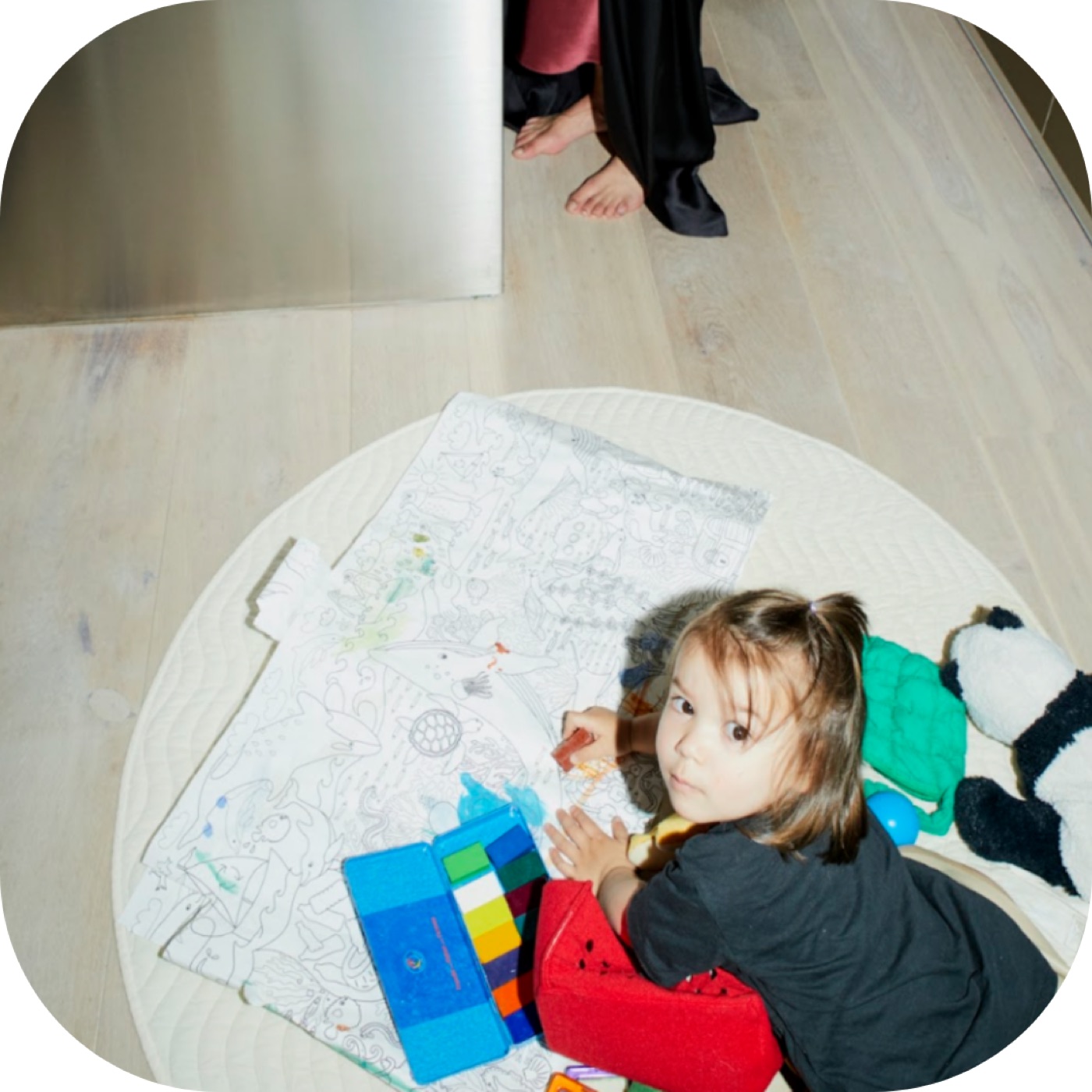
In a play therapy room, your child may use dolls, puppets, art materials, or sand trays to express what’s happening inside. Instead of asking, “How do you feel about the divorce?”, a therapist may observe your child acting out scenes in a dollhouse or drawing pictures that reveal how their nervous system is making sense of the changes.
This gives your child a safe, developmentally appropriate way to process what they’re experiencing.
Common Challenges for Children During Divorce
Every child’s experience is unique, but children often share similar emotional and behavioral responses. These are not signs of misbehavior—they are signals from a nervous system under stress.
Anxiety and Fear: Your child’s world is changing. They may worry about the future, feel uncertain about living arrangements, or wonder whether your love for them is secure. This can show up as clinginess, trouble sleeping, irritability, or physical symptoms like stomachaches.
Sadness and Grief: Children grieve the loss of the family structure they once knew. They may withdraw, cry more often, or lose interest in activities they previously enjoyed.
Anger and Frustration: Anger is common during divorce. It may be directed at one or both parents, or it may appear as more frequent tantrums, yelling, or hitting. Children may not know how to express these feelings directly.
Confusion and Self-Blame: Younger children, especially, may not understand why the divorce is happening and may assume responsibility for it: “If I behaved better, maybe this wouldn’t have happened.”
These responses are understandable, given the magnitude of the change. They communicate a need for understanding, safety, and support.
How Play Therapy Addresses Divorce-Related Issues
Play therapy offers a developmentally aligned way for children to make sense of their experiences and regain emotional safety and stability.
Creating a Safe Space for Emotional Expression
The playroom is a judgment-free zone where your child can express big feelings without fear of getting in trouble or being misunderstood. A therapist may gently narrate what’s happening in the play—for example: “That car crashed really hard. It looks like some big anger.”
This helps your child feel seen and begins to build emotional awareness.
Processing Complex Family Dynamics
Children often use dolls, puppets, or sand tray scenes to reenact what’s happening at home. They may explore living between two houses, disagreements they’ve overheard, or worries they haven’t verbalized.
Externalizing these experiences allows children to gain a sense of control and helps their nervous systems process the changes more effectively.
Correcting Misconceptions and Reducing Self-Blame
Through story-based play and gentle communication, a therapist helps reinforce core truths:
The divorce is not their fault.
They are deeply loved by both parents.
For example, a therapist may use puppets to tell a story about parents who choose to live in different homes but continue caring for their child in loving, consistent ways.
What Are the Benefits of Play Therapy for My Child?
When your child has a safe space to process their emotions through play, the benefits can extend far beyond the therapy room.
Improved Emotional Expression
Your child learns to identify, name, and express their feelings in healthier ways, which can reduce behavioral outbursts and internalized distress.
Enhanced Coping Skills
Therapy helps children develop tools for managing stress, uncertainty, and sadness—skills that support them throughout life.
Strengthened Self-Esteem
As children work through confusion and self-blame, they regain confidence and feel more secure.
Better Communication
Children often become more willing to share their feelings. Therapists can also guide parents in using language that deepens connection at home.
How to Find a Qualified Play Therapist
If you believe play therapy may be a good fit, the next step is finding a therapist who is truly trained to work with children.
Not every therapist who works with children is trained in play therapy or understands how children communicate through play and through their nervous system. When you’re looking for support, it’s more important to focus on a therapist’s training, approach, and experience with children than any specific credential.
A qualified child therapist may be:
A licensed mental health provider (LMFT, LCSW, LPCC, PsyD, etc.)
An associate (AMFT, ASW, APCC) working under supervision
A therapist with advanced training in child development and play-based therapy
Someone who understands how stress shows up in children’s bodies and behavior
A provider who welcomes caregiver involvement and values your insight as the parent
A therapist who can clearly explain how they use play therapeutically
When reaching out to potential therapists, consider asking:
What training do you have in play therapy or play-based approaches?
How do you support children experiencing family transitions like divorce?
How do you involve parents in the therapeutic process?
How do you help children feel safe expressing emotions through play?
At Child Therapy Center of Los Angeles, our team includes licensed clinicians and supervised associates who specialize in child-centered, nervous-system-informed, play-based therapy. And we partner closely with parents—because you are an essential part of your child’s healing.
You Are the Most Important Tool
Divorce is challenging for everyone involved. It’s normal to feel unsure about how to best support your child through such a big transition. Exploring play therapy is a loving, proactive step that gives your child space to process their emotions in a way that feels natural and safe.
By supporting them early and intentionally, you help your child build emotional resilience, develop healthy coping skills, and return to a sense of stability and connection during a difficult time.
You do not have to navigate this alone.
If you’re ready to get clarity on what your child needs to flourish, we’re here to help. Book a Thriving Child Strategy Call with our dedicated care coordinator. We’ll listen to your family’s needs and help you create a clear, seamless plan to support your child’s healing and well-being.